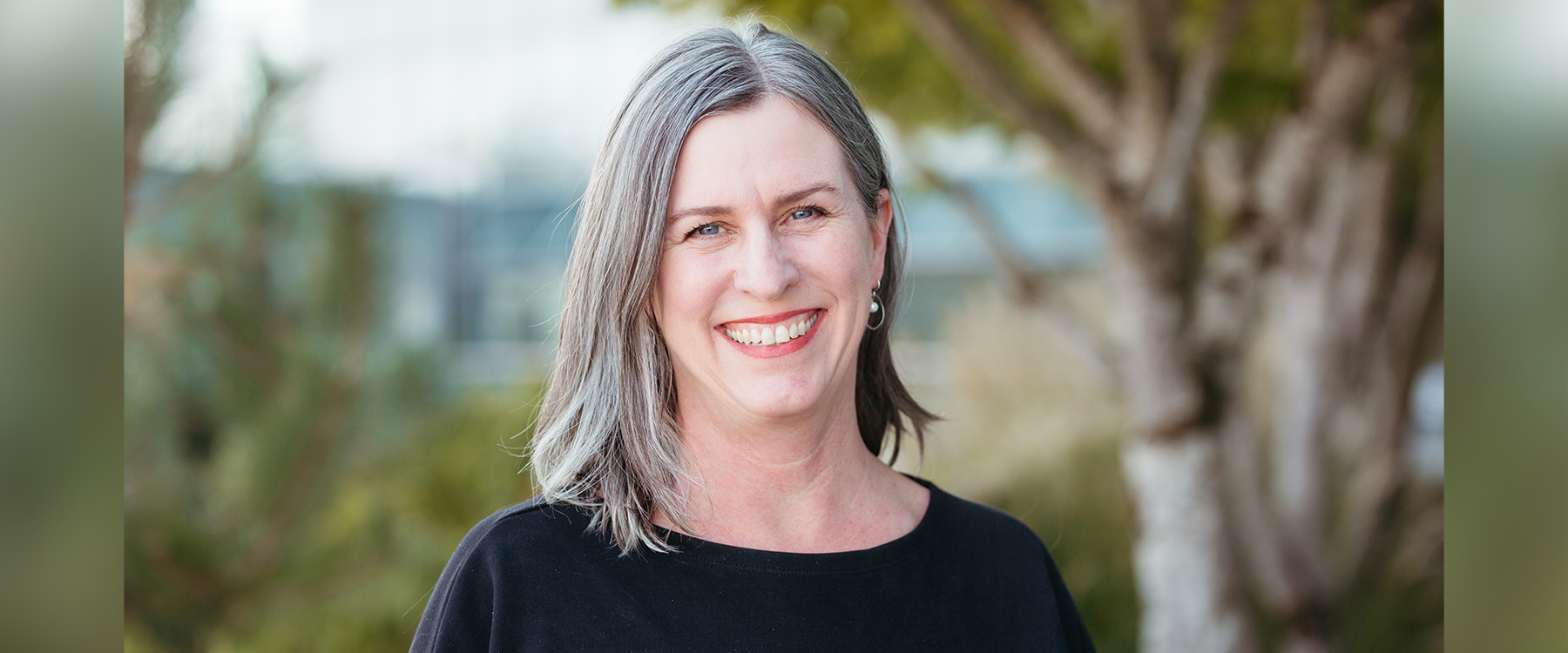
Explain It! is a video series that spotlights the fascinating and impactful research taking place at OHSU.

By Josh Friesen
Traditionally, a patient who requires rehabilitation for a concussion is seen about two months after their injury. For years, that’s been the standard of care.
That thinking, however, is changing. Laurie King, Ph.D., PT, M.C.R., the Jay Nutt, M.D. Endowed Professor of Clinical Research of Movement Disorders and co-director of the Balance Disorders Laboratory at the OHSU School of Medicine, is part of the wave that is advocating for earlier rehabilitation.

“In the case of concussions, people were told to rest, stay in a dark room, avoid screens, avoid anything that makes you symptomatic,” King said. “Most concussions recover, but there are about 25 to 30 percent who will continue to experience symptoms, and it usually takes two months to get them into rehabilitation. Early rehabilitation is more beneficial.”
Over the years, the standard of care for many neurological injuries and diseases has been shifting to earlier exercise and rehabilitation. Concussions are following a similar example.

King and her colleagues recently finished a randomized, controlled trial funded by the U.S. Department of Defense that studied rehabilitation treatment protocol among two groups — early rehabilitation versus delayed. The results? Symptoms and balance improved more quickly in the early rehabilitation group. Her lab recently received new funding from the Department of Defense to test the standard of care approach against a newer motor activation rehabilitation program her team is developing.
“Early rehabilitation is key for a lot of neurologic injuries and orthopedic injuries,” King said. “Even a small change in your routine with exercise or balance training is going to benefit you.”

Discovery
Explain It! Ahmed Raslan, M.D., FAANS
Explain It! showcases the fascinating, impactful research at OHSU. Ahmed Raslan, M.D., discusses redrawing the functional atlas of the brain.
Discovery
Explain It! Alireza Karimi, Ph.D.
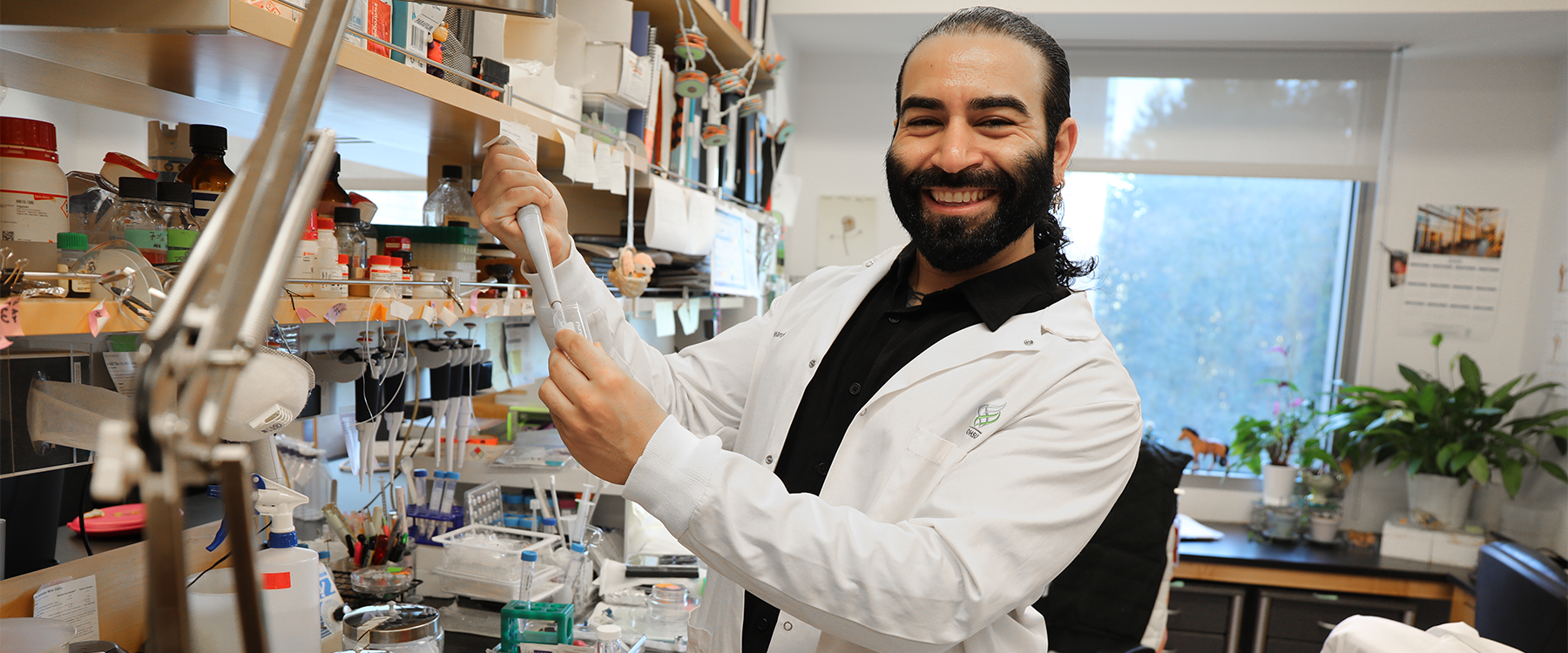
Explain It! showcases the fascinating, impactful research at OHSU. Alireza Karimi, Ph.D. talks about exciting progress in glaucoma research.
Discovery
Explain It! Kerri Winters-Stone, Ph.D.
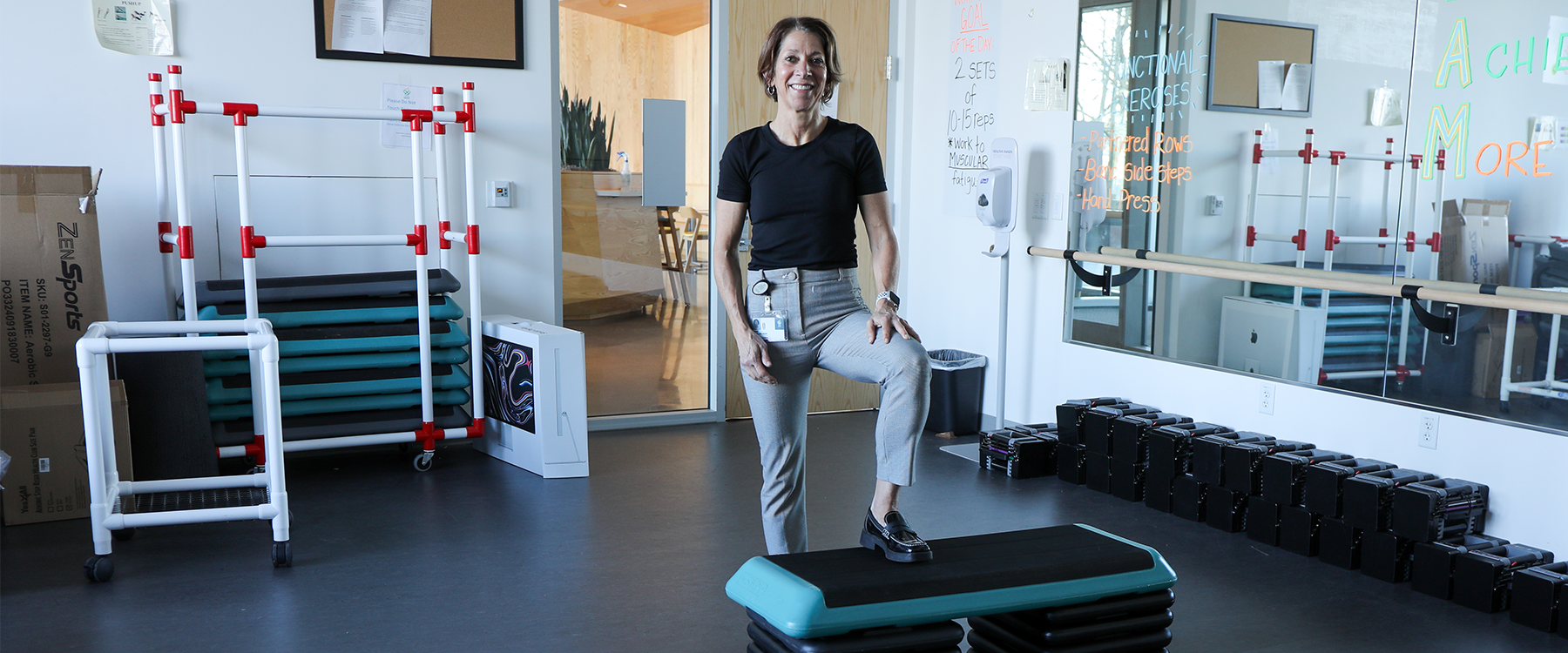
Explain It! showcases the fascinating, impactful research at OHSU. Kerri Winters-Stone explains her work and why she believes exercise is medicine.